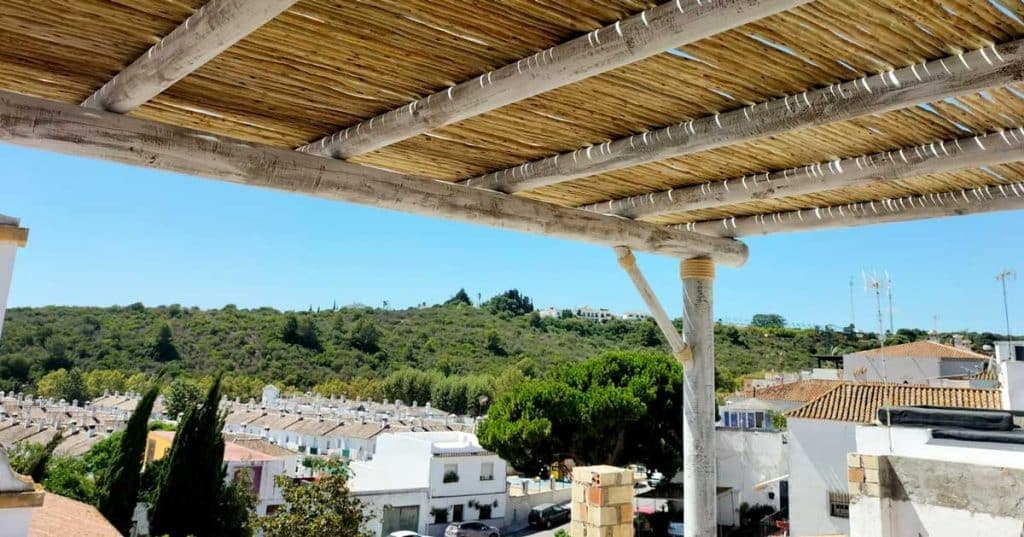
"How much does a wooden pergola cost?" is the question almost every enquiry starts with, and it is also the hardest one to answer in a single number. A small freestanding pergola and a large, fully covered structure for a villa terrace are very different projects, even though both are called pergolas.
Pergola prices at Cape Reed start from €3,000, depending on design and timber choices. Where your project lands above that starting point depends on a handful of factors, and this guide walks through what actually drives the price so you can compare quotes sensibly and decide where to spend.
1. Size and shape
Footprint is the biggest cost driver. Larger spans need heavier beams and more or thicker posts. A pergola attached to the house can be simpler to support than a freestanding one, while an L-shaped or multi-level design adds joinery and installation time.
2. Type of timber
Not all timber behaves the same in Spain's sun, heat and, near the coast, salt air. Solid timber looks superb but can move and check as it dries. Engineered laminated timber is more dimensionally stable and suits longer spans. We compare the two in Engineered Laminated Timber vs Solid Timber. Higher-grade timber costs more up front but usually pays back in longevity.
3. The pergola type and top
How the top of the pergola is built changes both the shade you get and the price. Cape Reed pergolas are typically specified in one of three ways:
- Timber lath pergola – an open top of timber laths that gives dappled shade and a light, airy feel. It is the simplest option and usually the lowest cost.
- Semi-shaded pergola – a denser top that gives noticeably more shade while still letting air and light through, for terraces that need more protection from the sun.
- Waterproof pergola – a covered top that keeps rain out, so the space can be used in all weather. Because it adds roofing and water drainage, it sits at the higher end of the price range.
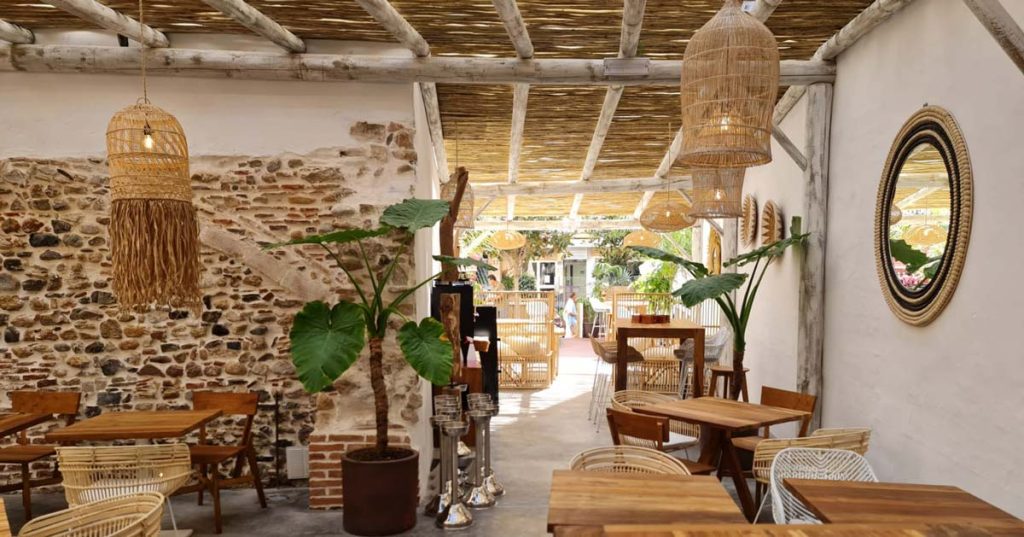
Looking for a natural thatch roof? That is a gazebo rather than a pergola. See our thatched gazebo ideas and our guide to thatch tiles vs traditional thatching.
4. Finish and protection
Stains, oils and protective treatments extend the life of exterior timber, especially in strong sun and near the coast. Ask what finish is included in a quote and how often it needs renewing.
5. Ground, access and installation
Sloping ground, difficult access, the need for new footings or a concrete base, and the distance from our yard all affect labour and logistics. A site visit lets us price these properly rather than estimating.
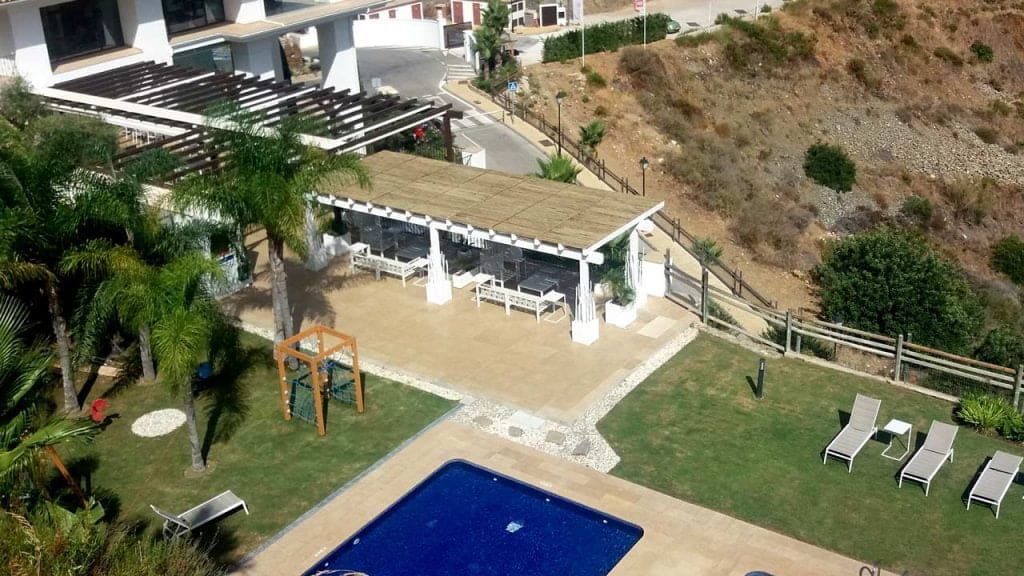
6. Extras
Lighting, fans, heaters, integrated screens, decking underneath or built-in seating all add to the final figure. Plan them at the design stage, because adding them later usually costs more.
Permits and approvals
Remember to allow for any permit or community approval your project may need. We cover that in Do You Need a Permit to Build a Pergola or Gazebo in Spain?
How to compare quotes fairly
- Ask for the timber species and grade to be stated.
- Check which pergola type and top is being quoted: lath, semi-shaded or waterproof.
- Confirm whether installation, footings and delivery are included.
- Ask about the guarantee and what maintenance it assumes.
Get a quote for your project
Pergolas start from €3,000. Tell us the size, location and style you have in mind, and we will give you a clear, itemised quote.

About Cape Reed Team
Our expert team at Cape Reed Spain brings decades of experience in sustainable thatching and premium outdoor living solutions.
You Might Also Like
Discover more outdoor living inspiration
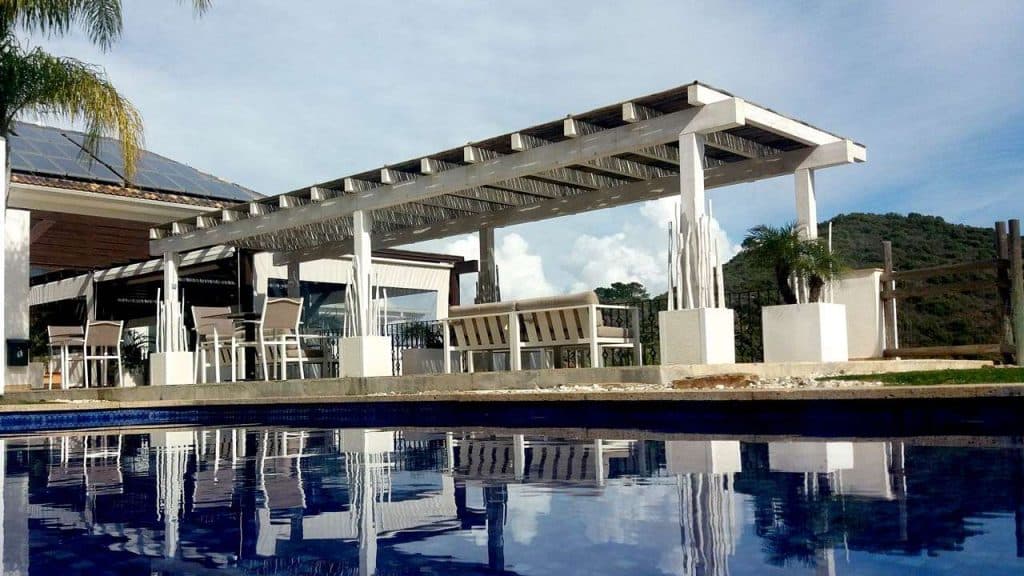
Do You Need a Permit to Build a Pergola or Gazebo in Spain?
Thinking of adding a pergola or gazebo to your Spanish home or business? Before you order, here is what decides whether ...
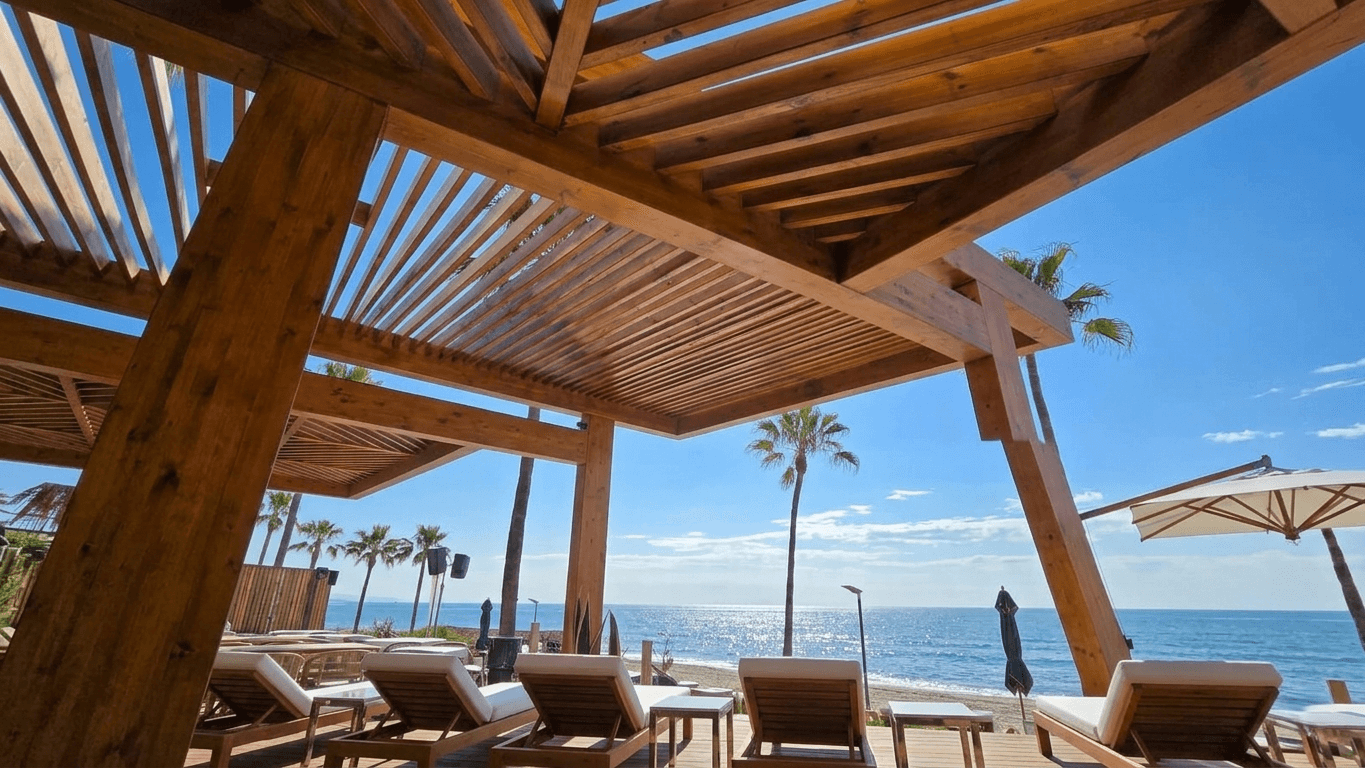
Mediterranean Pergola Trends for 2026
Outdoor living continues to shape the future of luxury architecture across Europe, and pergolas are now at the centre of...
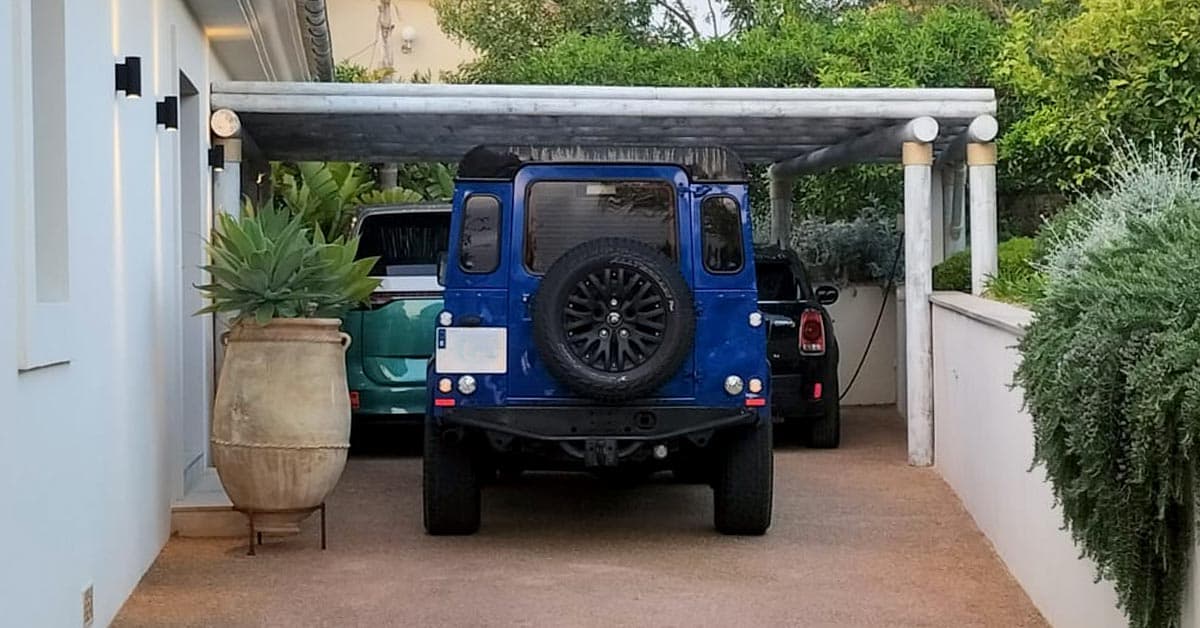
Wooden Pergola Applications in Spain & Portugal: Carports, Balconies & More
A wooden pergola is no longer a luxury extra in Spain or Portugal. Instead, it has become an essential architectural fea...